Diagnosis

Common Causes of Poor Classroom Air Quality

Ventilation limits, occupancy, cleaning products, materials, damp, outdoor pollution and dust — the recurring drivers behind classroom complaints.

Published 10 min read SchoolAirQuality.uk
Blocked or obstructed wall ventilation grille in an older school classroom

Ventilation limits and operation

The most common single driver of poor classroom air quality is insufficient fresh-air supply for the occupancy. That can mean a designed ventilation rate that was never quite adequate, a working system that is no longer doing what it should, or a room with adequate provision that is simply not being operated in a way that uses it.

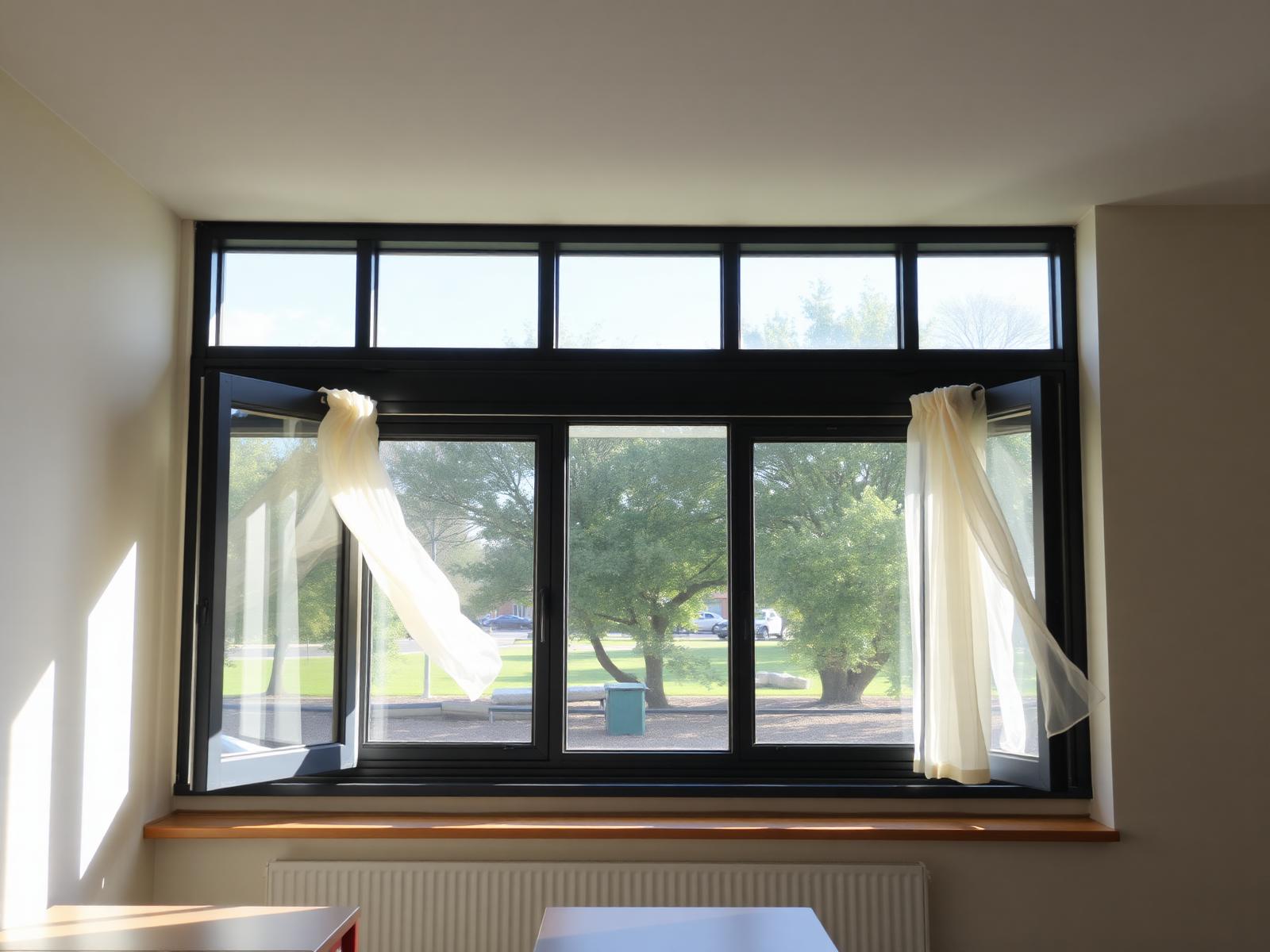
Closed trickle vents, sealed windows, mechanical systems that have been switched off, and dampers that have closed and not been reset are all common findings during a school ventilation assessment.

Occupancy density and patterns

Rooms originally designed for a particular use are often repurposed over time. A space designed for small-group teaching can end up hosting a full class. Specialist rooms (music, art, drama, food technology) can carry high occupancy at specific times of day. Each of these introduces ventilation demand that the room may not have been designed for.

Cleaning products and materials

Cleaning regimes can introduce short-term peaks in volatile organic compounds (VOCs) and odours, particularly when products are used heavily, with poor ventilation, or in closed-up rooms. Scheduling cleaning so that rooms can be ventilated before they are re-occupied is usually the simplest mitigation.

Materials inside the room — flooring, cabinetry, wall finishes, soft furnishings — are also sources, particularly when they are new. VOC testing in schools and formaldehyde testing address this in more detail.

Damp and mould

Damp and visible mould are common findings in older buildings, particularly around poorly insulated external walls, single-glazed windows, and rooms used heavily through the day where condensation has nowhere to go. Mould signals an unresolved moisture problem behind it; the visible mould is a symptom, not the cause. Airborne mould testing and surface inspection are the typical investigative tools.

Outdoor pollution and traffic ingress

Schools on busy roads can see outdoor particulate matter — particularly PM2.5 and PM10 — entering the building through windows and ventilation intakes positioned close to traffic. The picture is highly location- and time-specific, and is best understood with monitoring rather than assumption.

Dust and activity-related particulates

Dust generated by activity (chalk, paper handling, sanding, certain craft activities) and dust accumulated on high-level surfaces both contribute to particulate levels during busy lessons. Specialist teaching spaces — design technology, art — often deserve their own ventilation and source-control review.

Next step

Want this looked at in your school?

Independent UK school air quality consultants. We scope the question, do the work and explain the findings in plain language.