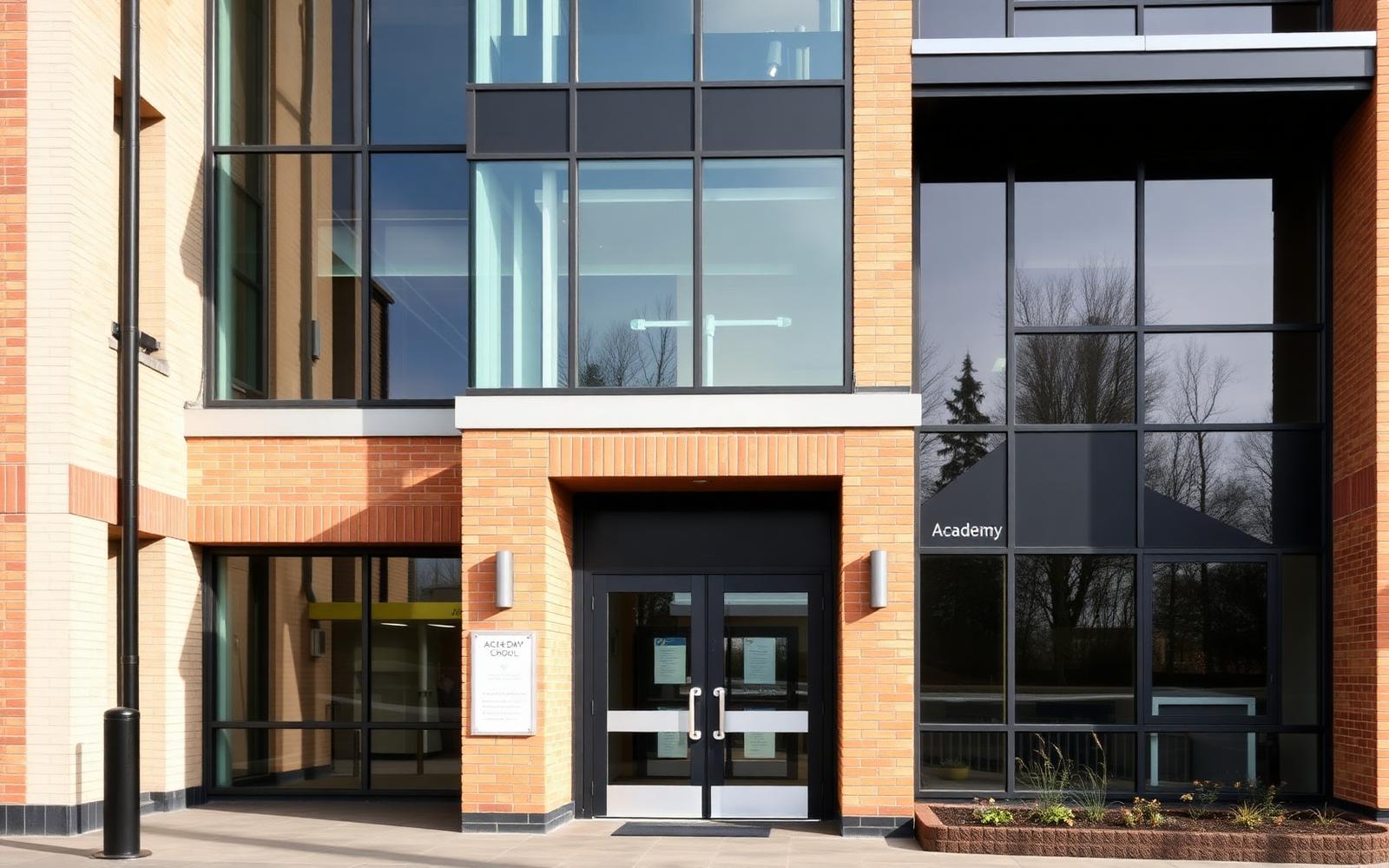
Single academies and multi-academy trust contexts
A single academy assessment focuses on one building, one leadership team and one report. A trust-level engagement asks a different question: how do the schools in the trust compare, where are the priorities, and how does the trust apply a consistent standard across them.
The same on-site method works for both. What changes is the scope agreement, the reporting structure and the way findings feed into wider estates decisions across the trust.
Classrooms, halls and specialist rooms
Across most academies, a representative assessment includes a mix of standard classrooms, larger shared spaces such as halls and sports halls, and specialist rooms where occupancy patterns and activities differ from a standard classroom. Reporting groups findings by room category so that recommendations are easier to act on at site level.
- Standard teaching classrooms — primary baseline
- Specialist rooms (science, DT, art) where applicable
- Sports halls, drama and music spaces with distinct occupancy patterns
- Libraries and learning resource centres
- Dining halls and shared circulation areas
A consistent assessment method across sites
Where the trust is working across several schools, we agree a shared scope up front: which room categories are included, how many rooms per school, what is measured, and how the data is reported. That consistency is what makes the findings comparable across sites — without it, every report becomes a one-off and trust-level prioritisation is much harder.
Reporting for estates and trust leadership
Each school receives its own site report, written for the headteacher and site manager. Where the engagement covers multiple sites, the trust receives a consolidated report that summarises findings across the estate, identifies common themes and supports decisions about where to focus capital, refurbishment or operational changes first.
Prioritising sites, rooms and interventions
Findings rarely point to a single, dramatic action — they more often point to a set of practical interventions across the estate. Reports prioritise those interventions by likely impact and effort, so the trust can sequence the work realistically within available budgets and capital programmes.
Monitoring and improvement planning
Where ongoing monitoring is appropriate, we describe what that would look like and what it would not — sensors and dashboards generate data, but the value comes from acting on it. For trusts ready to take that step, we explain how monitoring data feeds into a longer-term improvement plan rather than presenting it as an end in itself.
Working with academy trusts — MATs
Where the engagement is across a multi-academy trust, we work with the trust's estates function as the primary point of contact, with named leads at each school. Communications are coordinated so that individual headteachers are not asked the same question twice and so that the trust has a single, joined-up view of progress across the programme.
Suitable schools and settings
- Single academies commissioning their first comprehensive assessment
- Multi-academy trusts standardising assessment across their estate
- Trust estates teams preparing capital prioritisation cases
- Academies acting on staff or parent feedback about a specific building
- Trust boards seeking a consolidated environmental view
Frequently asked questions
Is academy air quality testing different to a normal school assessment?+
The on-site work is broadly the same — structured walk-through, environmental measurements, ventilation review, reporting. The difference is in how the work is scoped and reported. Academies, and especially multi-academy trusts, usually need a consistent method across sites and a way to compare findings across the estate, not just a single building report.
Can a single academy be assessed on its own?+
Yes. Many single-academy converters, free schools and independent academies engage us for a one-site assessment. The same method is used as in a trust-level engagement, with reporting tailored to one building rather than a portfolio.
How are multi-academy trusts handled?+
We agree a shared assessment scope with the trust — typically a common set of room categories and measurements — and apply it consistently across the sites in the programme. Reporting is structured so that each headteacher receives their own site report and the trust receives a consolidated view to support estate-level prioritisation.
Who is the report written for?+
Site reports are written for headteachers and site managers. Consolidated trust-level reports are written for COOs, directors of estates and trust boards, with technical detail available where it is genuinely useful and a plain-English summary at the front.
Do the findings include any medical or regulatory guarantees?+
No. Reports describe environmental findings against widely used reference values and good-practice guidance and recommend practical actions. They do not make medical claims about individuals and do not present any service as a guarantee of regulatory compliance.
Ready to take a closer look at your school's air?
Tell us about your buildings and the rooms or year groups you're concerned about. A specialist will be in touch within one working day.