Improvement

How Schools Can Improve Indoor Air Quality

A practical, prioritised view of what schools can do — operation, maintenance, source control, monitoring and investigation — without filler.

Published 10 min read SchoolAirQuality.uk
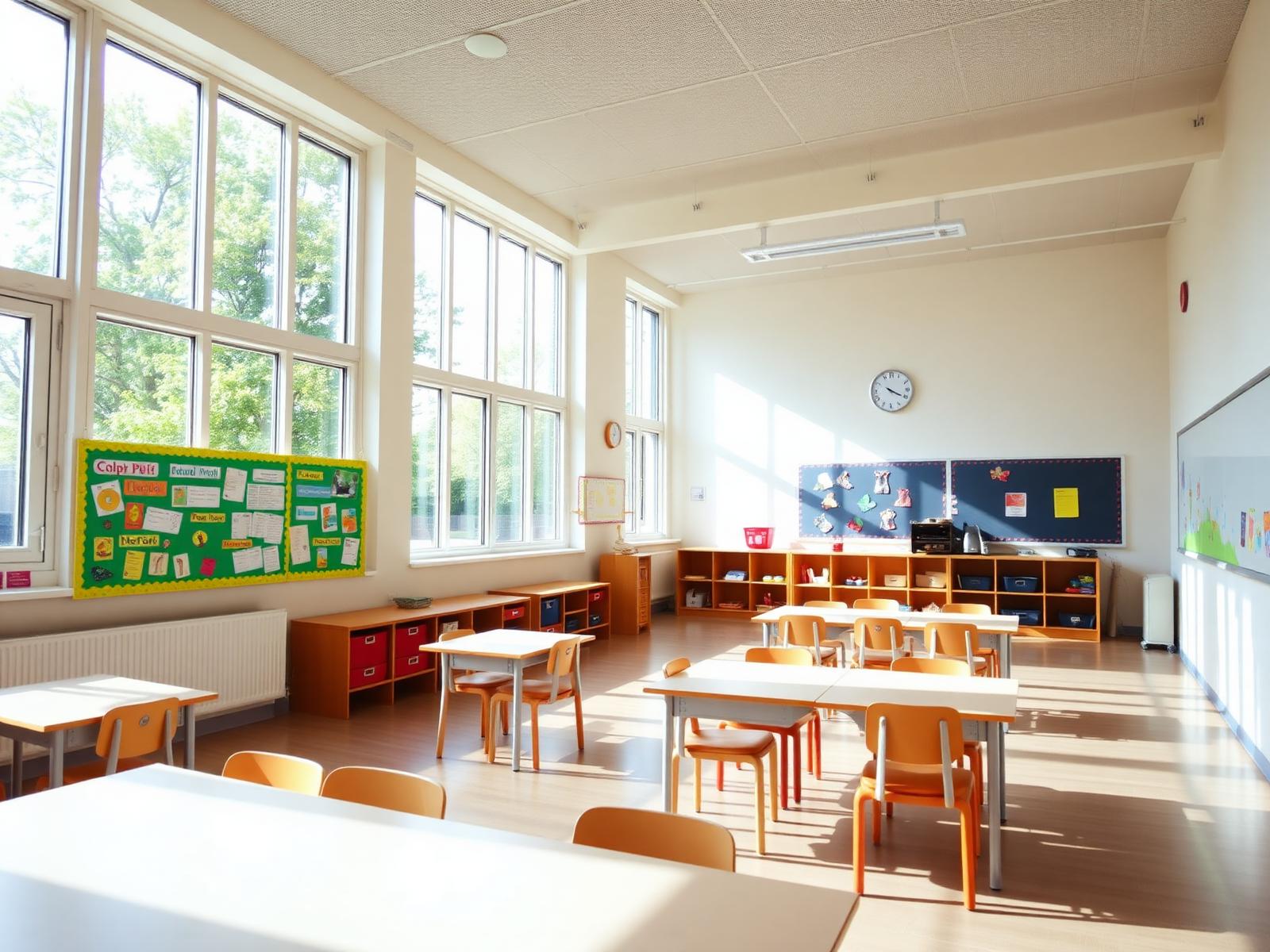
Light, well-ordered classroom with clean finishes and good daylight

Start where the complaints are

Schools rarely have the time or budget to address every classroom at once. The most useful starting point is usually the rooms where staff or pupils are already raising concerns. Those rooms tend to surface a pattern that applies more widely across the building once it is identified.

A short, focused investigation of two or three rooms — observation, brief measurement, conversation with the people using them — is often more valuable than a broad survey of every classroom at once.

Operational changes first

The cheapest and fastest improvements tend to be operational. Opening windows briefly between lessons, ensuring trickle vents are not obstructed, scheduling mechanical ventilation to actual occupancy, adjusting cleaning timings so rooms can ventilate before re-occupation, and repositioning desks away from cold draughts all fall into this category.

None of these require capital spend. Most can be tried within a term and reviewed.

Maintenance items that often surface

A surprising number of air quality issues turn out to be maintenance items: closed dampers, blocked vents, mechanical systems that have been switched off or stuck in a fault state, filter changes that are overdue, and condensate drains that have failed. None of these are dramatic, but they often explain rooms that "should" perform well but don't.

Source control inside the building

Some improvements involve reducing what is being introduced into the indoor air: choosing lower-emission cleaning products, scheduling activities that generate dust or fumes for periods when ventilation is highest, and reviewing the materials chosen for refurbishment and new furniture. VOC testing is most useful around these decisions.

Monitoring, used purposefully

Monitoring is a tool, not an end in itself. Useful monitoring answers a specific question: is this room performing as expected? Did our operational changes work? How does this building compare with others in the estate? School environmental monitoring can be short-term and focused, or longer-running where ongoing visibility is genuinely valuable.

When to bring in independent help

For persistent issues that the school has already tried to address, an independent school air quality assessment usually clarifies what is actually going on and what has the best chance of helping. For estate-wide programmes, healthy schools describes how a whole-school approach is typically structured.

Next step

Want this looked at in your school?

Independent UK school air quality consultants. We scope the question, do the work and explain the findings in plain language.