Health & Wellbeing

Indoor Air Quality and Student Concentration

Why comfort, stuffiness and indoor conditions matter in learning spaces, without overstating cause and effect on individual pupils.

Published 8 min read SchoolAirQuality.uk
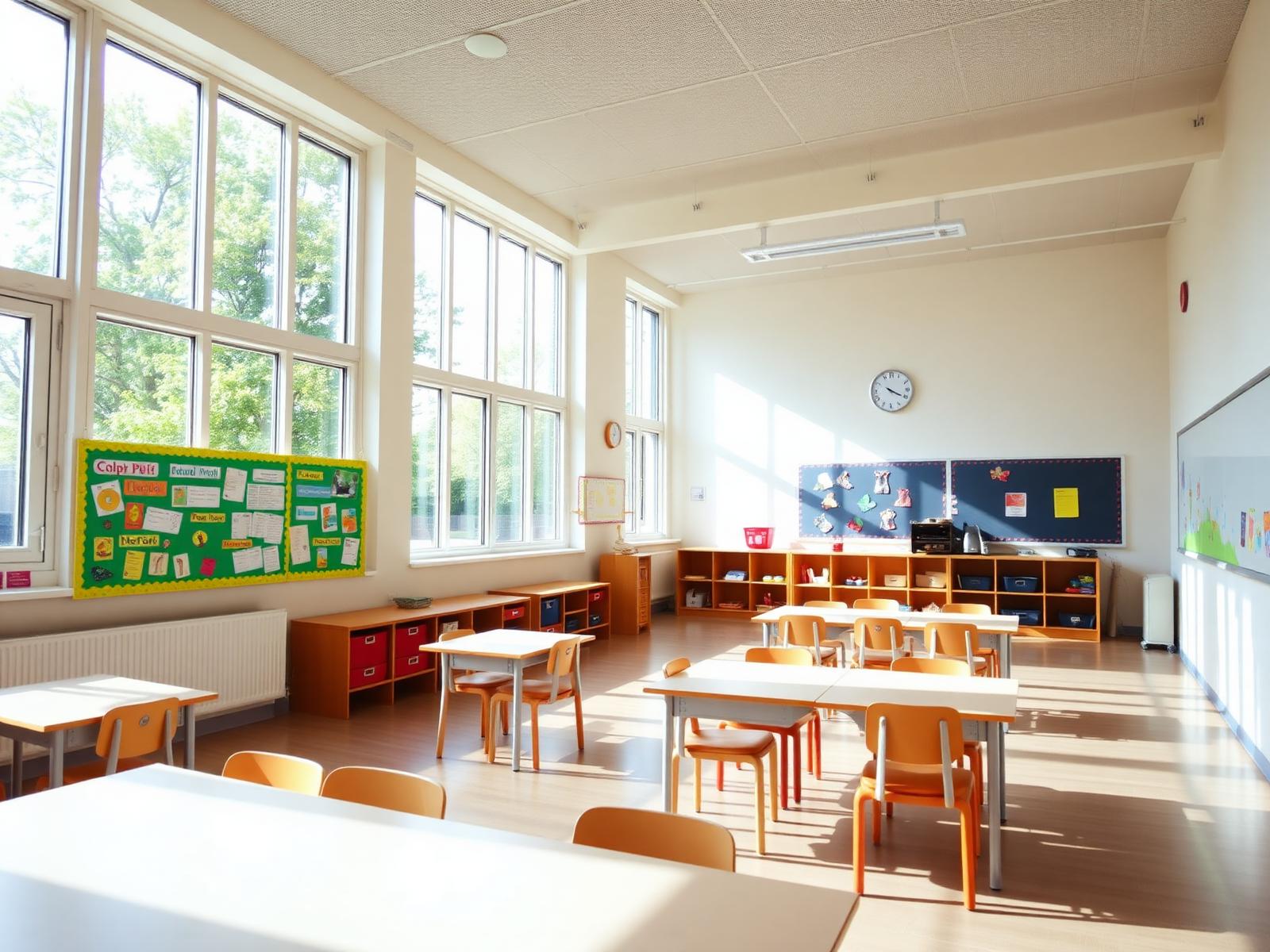
Calm UK classroom interior with desks, daylight and uncluttered learning space

Why we use careful language here

Indoor air quality is often discussed alongside academic performance and pupil wellbeing. There is plenty of research interest in this area, but the relationship between any single environmental factor and any individual pupil's concentration or attainment is not something this article can — or should — claim to predict.

What we can talk about more confidently is comfort. Comfortable rooms are easier to teach in and easier to learn in. Uncomfortable rooms — stuffy, hot, cold, smelly, distracting — are harder for everyone. That alone is worth taking seriously, without overclaiming on individual outcomes.

Stuffiness, comfort, and the day-to-day experience

Stuffiness is one of the most commonly reported issues in classrooms. It typically reflects a combination of high occupancy, limited fresh-air supply and warm temperatures, sometimes with humidity and odours adding to the picture. None of these on their own require dramatic intervention, but together they shape how a room feels for the people in it.

A classroom wellbeing view of the issue tends to ask what people in the room are actually experiencing through the day, rather than only what the instruments say.

Operational influences on learning conditions

Many factors that affect classroom conditions are operational rather than structural: when windows are opened, how furniture and displays are arranged, whether vents are obstructed, when heating comes on, how cleaning is scheduled, and how the space is used through the day.

These factors are often easier and cheaper to adjust than the building fabric itself, and they tend to be where the most useful early changes can be made. A short period of observation, sometimes paired with school environmental monitoring, often surfaces patterns that the school's own staff recognise immediately once they are pointed out.

What this kind of work does not claim

An indoor environmental assessment does not diagnose, predict, or rule out any health condition in any individual. It does not guarantee improved academic performance, attendance or behaviour. Anyone offering those guarantees is overstating what an environmental assessment can do.

What it can do is describe the indoor environment honestly, against relevant guidance, and identify where conditions are out of step with reasonable expectations. From there, schools can make informed decisions about which changes are worth prioritising.

A sensible starting point for schools

A practical starting point for most schools is to look at the rooms generating the most complaints, gather some objective measurements (CO₂, temperature, humidity), compare them with the operational pattern in those rooms, and decide what is worth changing. A classroom air quality review of a small number of rooms is often enough to make the picture clearer for the wider estate.

For a broader view of comfort and air quality as a single picture, healthy classrooms covers the day-to-day operational angle, while thermal comfort in schools goes deeper on temperature and humidity specifically.

Next step

Want this looked at in your school?

Independent UK school air quality consultants. We scope the question, do the work and explain the findings in plain language.